Gardening Services in Honor Oak
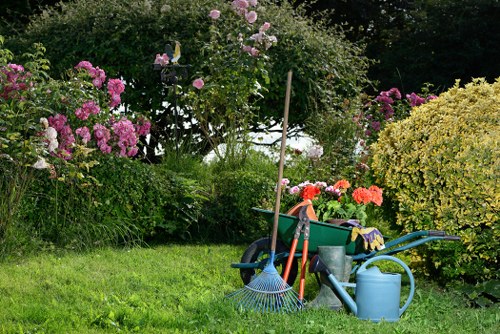
Our gardening services in Honor Oak are designed to keep outdoor spaces tidy, healthy and manageable through the seasons. We focus on practical garden care rather than vague promises, with work that can include regular maintenance, lawn mowing, hedge trimming, planting support, garden clearance and larger tidy-ups when a space needs a fresh start. The aim is simple: give you a garden that looks cared for and is easier to use, without turning the job into a drawn-out project.
Different gardens need different levels of attention, so we shape our service around the condition of the site and the tasks that matter most. Some customers need straightforward upkeep to stop growth getting away from them; others want help restoring a neglected plot into something usable again. If you are comparing options, a good place to begin is our services overview, which sets out the main types of garden work we cover and helps you decide what is most suitable for your space.
When you are ready to move forward, you can request a quotation and outline the work you want carried out. A concise description of the garden, the main tasks and any access points helps us understand the scope. If your needs are straightforward, we can keep things focused; if there are several parts to the job, it helps to list them clearly so the response is accurate from the start.
Regular garden maintenance

Regular maintenance is the backbone of many gardens, because it prevents small jobs from becoming bigger and more time-consuming later on. Our garden maintenance work can include general tidying, weeding, pruning of manageable growth, border care and removal of light debris. This type of service is useful where the space is already in reasonable condition but needs ongoing attention to stay that way. It is also a sensible option if you prefer one reliable plan instead of arranging separate visits for different tasks.
Garden maintenance is best approached as a series of practical decisions rather than a one-size-fits-all package. Some gardens need frequent light attention; others benefit from a more occasional but thorough visit. We can work around planted beds, paths, edging and lawn areas to keep the whole space looking coherent. If there are particular features you want preserved, such as seasonal planting or decorative borders, those can be included in the scope from the outset.
For a clear quotation, it helps to know whether the garden is mainly front, rear or both, and whether the work is a routine tidy or a more involved reset. Photos can be useful, especially when growth is dense or access is limited, because they help show the shape of the space and the amount of work involved. A short list of priorities is just as valuable; it keeps the estimate tied to the outcome you want rather than to assumptions.
Lawn and hedge care

Lawns and hedges often define how ordered a garden feels, so keeping them in good condition can make a major difference to the whole space. Our lawn mowing work is suitable for gardens that need a neat, even cut and a clean finish around edges. Hedge trimming is equally important where growth is starting to spill into paths, boundaries or planting beds. Together, these services support a sharper overall appearance and reduce the sense that a garden is gradually getting out of hand.
For lawn care, the task is not only about cutting grass. It is also about keeping the surface balanced, avoiding uneven results and paying attention to edges so the final look is tidy rather than rushed. For hedges, a careful approach helps maintain shape without stripping out too much growth. The right timing and finish depend on the plant type, the condition of the hedge and how formal or relaxed you want the garden to look. See our lawn mowing page for the core cutting service and our hedge trimming page for more on shaping and reduction work.
Where a lawn has become patchy, long or uneven, it is helpful to say so at the quotation stage, as that changes the likely time and method involved. If a hedge is tall, broad or close to boundaries, mention it early so the scope is properly understood. The more exact the description, the easier it is to provide an estimate that reflects the actual work rather than a rough guess.
Clearance and larger outdoor projects
Some gardens need more than routine attention. Overgrown beds, broken fencing lines, accumulated waste and abandoned materials can make a site difficult to use and difficult to maintain. Our garden clearance service is intended for those situations, where the priority is to remove unwanted growth, debris and general garden clutter so the space can be brought back under control. The work can be scaled to suit anything from a single section to a fuller clear-out.
Garden clearance is often the right choice when a garden has been left untouched for a long period or when seasonal growth has become too heavy for regular maintenance alone. In practical terms, this may involve cutting back dense growth, gathering loose material, separating what should be taken away and preparing the area for future upkeep or replanting. It is a hands-on service, but one that can make a substantial difference to how a garden functions.
If you are planning a larger change rather than a one-off tidy, it may also be useful to consider the surrounding structure of the garden. Where hard landscaping, access routes or planting beds need attention at the same time, those elements should be identified clearly before work is priced. A clear list of priorities keeps the quotation focused and helps avoid confusion about what is included. One good brief is usually better than several separate messages.
Landscaping and garden improvement

Landscaping can change the way a garden feels and functions, whether the aim is a cleaner layout, more practical use of space or a better relationship between planting and hard surfaces. Our landscaping work can involve reshaping sections of the garden, preparing areas for new features and improving the flow between different parts of the space. It is a broader service than maintenance, and it suits customers who want visible structural improvement rather than routine care alone.
Landscape gardening is useful when the overall design of the garden needs thought as well as labour. That might mean refreshing planting zones, improving borders, creating clearer edges or making awkward spaces easier to maintain. Where useful, more built elements can be considered too, and our landscaping page covers the broader category of outdoor improvement work. These services are most effective when the desired result is described in practical terms, such as easier upkeep, better appearance or more usable ground.
Project work usually benefits from a little planning before a quotation is issued. A sketch, measurements or a plain description of the main areas involved can help show how much preparation is needed. If you want to compare options, it is sensible to note what you would like retained, what should be removed and whether the focus is on appearance, function or both. That way, the response can address the right scope from the beginning.
Tree and higher growth work

Some gardens contain trees, large shrubs or fast-growing features that need more considered management than ordinary trimming. Our tree-lopping and removal service is intended for situations where higher growth is affecting light, safety, access or the overall balance of the garden. The work may involve reducing manageable growth, removing problematic material or clearing space where a tree or large branch is no longer suitable for the site. It is a specialist part of garden care and should be approached with clarity about the result needed.
Tree lopping and removal can be relevant where a plant has outgrown its setting, is leaning into another feature or is simply becoming too dominant within the garden. Because this kind of work varies a great deal, it is useful to explain whether the issue is size, condition, obstruction or all three. We can then look at the practical steps involved and determine the level of work that matches the situation. Where the garden contains both trees and dense boundary growth, the service can sometimes be combined with other clearance work.
When requesting a price, it helps to note the height and position of the tree or large shrub, any nearby structures and whether the area is straightforward to reach. If the job forms part of a wider tidy-up, say so in the same enquiry so the work is considered together. You can also ask for a quotation if you are not yet sure whether trimming, reduction or removal is the more suitable option.
How we price garden work
Quotation requests are easier to assess when the main facts are presented in a straightforward way. The size of the garden, the type of work involved, access around the property and the condition of the space all affect how a job is approached. A maintained lawn does not require the same planning as a heavily overgrown plot, and a tidy hedge is very different from one that needs cutting back significantly. Clear information leads to a more reliable estimate.
Pricing and quotes should be based on the actual tasks needed, not on a generic assumption about the garden. For that reason, it is sensible to mention whether you want a one-off visit, a return schedule or a combination of services. If there are specific materials to remove, awkward corners, narrow access or areas to protect, include those details as well. This keeps the process transparent and helps set practical expectations from the outset.
There is no need to overcomplicate the enquiry. A few sentences about the condition of the garden, the work you want completed and your preferred timing will often be enough to start the process. If you would like to keep things simple, use one message to cover all the relevant points instead of sending them separately. That makes it easier to compare the scope and respond clearly.
Planning the work safely and tidily
Good garden work is as much about handling the process neatly as it is about cutting, clearing or planting. Access routes, waste handling and the order of tasks all matter, especially in gardens where surfaces, borders and existing features need to be respected. Practical planning helps reduce disruption and allows the work to move through the site in a sensible sequence. It also helps ensure that the final result looks intentional rather than pieced together.
Health and safety information is useful when considering any task that involves tools, access or heavier garden material. While the work itself can vary from light tidying to more demanding clearance, the principles remain the same: work carefully, manage the site sensibly and avoid unnecessary risk. Where waste or green material needs to be moved away, it is also worth looking at the way removed material is handled and whether any sorting is required before collection.
Recycling and sustainability explains the approach to material handling in more detail. If your job generates a lot of cuttings or removed growth, it may be helpful to mention that when you enquire, so the scope includes what needs to be taken away or processed. Access information can be useful too, particularly if items must be carried through a side passage, shared entrance or narrow gate.
About Honor Oak
Honor Oak is a district in south-east London associated with the boroughs of Lewisham and Southwark, and it sits in a part of the capital that has long been shaped by suburban growth, transport links and a mixture of residential streets. The name is thought to derive from an oak tree linked with the royal progress of Elizabeth I, although the famous tree itself no longer survives. The area is often understood through its hillsides and rail connections, especially the stations that tie it into the wider London network. Honor Oak Park station, on the London Overground, gives the locality a clear link to central and east London, while nearby Brockley and Forest Hill help define the surrounding district pattern. The streets are mainly residential, with a varied stock of Victorian and later housing that reflects the area’s development over time. In the wider landscape, One Tree Hill is one of the best-known green spaces nearby, valued for its views and mature trees, while Telegraph Hill further reinforces the sense of elevated ground and open parkland in this part of the city. Honor Oak also sits within reach of South London’s cultural and everyday life, with local shops, schools and community facilities supporting a settled neighbourhood character rather than a purely commuter identity. Its history is tied to suburban expansion from the nineteenth century onward, but it remains recognisable today as an area where hillside streets, trees and parks sit close together in a compact urban setting.
Next steps for your garden
Once you have decided what you want done, the easiest approach is to separate the work into priorities: what needs attention now, what can wait and what would improve the garden most if it were done together. That makes it easier to choose between maintenance, clearance, hedge work, lawn care or broader landscaping. It also helps avoid asking for more than the garden actually needs. A clear brief is the most efficient starting point for any outdoor work.
If you are unsure which service fits best, start with the main task rather than the end result. For example, a garden that looks untidy may need mowing and pruning; one that is hard to use may need clearance; and one that feels badly arranged may need landscaping. You can then add the finer points, such as border care, overgrowth or removed material, once the main direction is clear. Request a quotation when you are ready to share the details.
Talk to us about your garden in Honor Oak if you want a practical, well-defined quote for the work that really matters. Whether the task is routine upkeep or a more involved reset, it is easier to plan when the scope is described clearly from the start. You do not need to write a long explanation; a straightforward note about the condition of the space and the results you want is enough to begin.