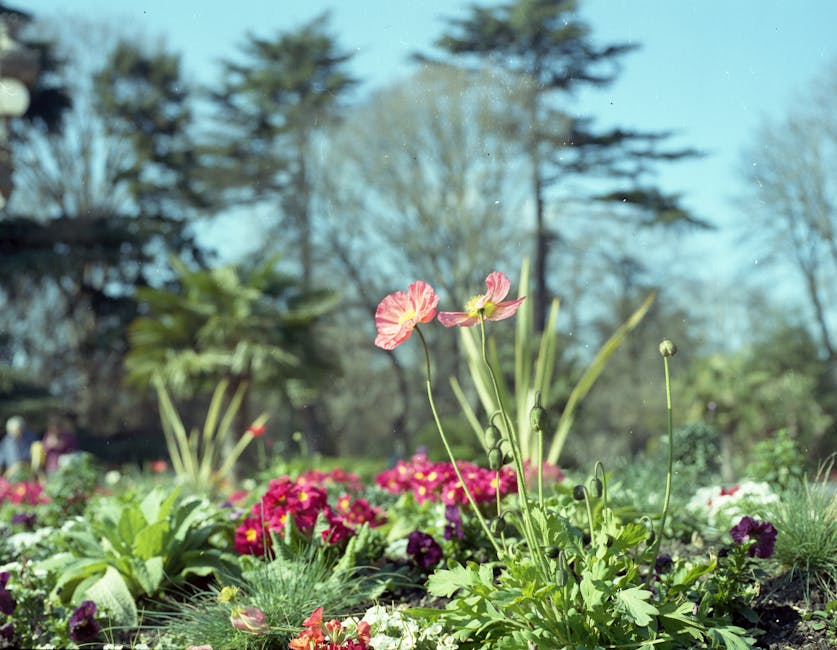
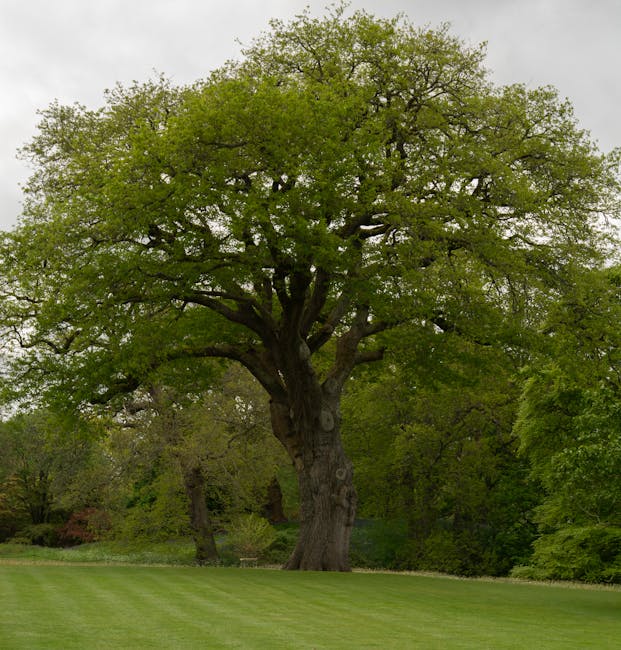
Blythe Hill Fields garden care tips for Honor Oak homes
If you live near Blythe Hill Fields, you already know the gardens around Honor Oak have their own rhythm. One street gets more wind, another holds moisture longer, and a south-facing front patch can feel completely different from a shaded back garden two doors down. That is why Blythe Hill Fields garden care tips for Honor Oak homes are less about generic advice and more about local, practical judgement. This guide walks you through what works, why it matters, and how to keep a garden tidy, resilient, and genuinely pleasant to use through the year.
Whether you are looking after a compact terrace garden, a shared rear space, or a slightly unruly corner that seems to have a mind of its own, you will find realistic steps here. No drama. No fluff. Just the kind of advice that saves time, reduces avoidable mistakes, and helps a garden feel looked after instead of constantly catching up.
Table of Contents
- Why Blythe Hill Fields garden care tips for Honor Oak homes Matters
- How Blythe Hill Fields garden care tips for Honor Oak homes Works
- Key Benefits and Practical Advantages
- Who This Is For and When It Makes Sense
- Step-by-Step Guidance
- Expert Tips for Better Results
- Common Mistakes to Avoid
- Tools, Resources and Recommendations
- Law, Compliance, Standards, or Best Practice
- Options, Methods, or Comparison Table
- Case Study or Real-World Example
- Practical Checklist
- Conclusion
- Frequently Asked Questions
Why Blythe Hill Fields garden care tips for Honor Oak homes Matters
Gardens around Honor Oak are shaped by a mix of London housing styles, mature boundary planting, compact plots, and the everyday realities of urban life. In practice, that often means limited access, uneven light, occasional compaction from foot traffic, and plants that have to cope with both dry spells and sudden heavy rain. A garden that looks fine in April can look tired by August if it has not been managed with those local conditions in mind.
Blythe Hill Fields garden care tips for Honor Oak homes matter because good care is not just cosmetic. It supports healthier soil, better drainage, less pest pressure, and safer paths and borders. It also keeps maintenance manageable. Let's face it, once a garden slips for a couple of months, the work can snowball fast. A small amount of regular attention usually beats a big rescue job later.
There is also a lifestyle side to it. A tidy, well-planned garden makes daily life easier. You can open the back door without feeling greeted by brambles. You can sit outside without dodging low branches. And if you are thinking about future sale value, first impressions from a front garden or entry path quietly do a lot of work.
Expert summary: Local garden care works best when it is seasonal, realistic, and tuned to the site. Around Blythe Hill Fields and wider Honor Oak, the winning approach is usually regular maintenance, good drainage awareness, and plants chosen for resilience rather than novelty.
How Blythe Hill Fields garden care tips for Honor Oak homes Works
The practical idea behind Blythe Hill Fields garden care tips for Honor Oak homes is simple: assess the space, work with the conditions, then maintain consistently. That sounds obvious, but most garden problems start when a plan ignores light, soil type, access, or how the household actually uses the space.
Start by observing the garden at different times. Early morning, late afternoon, and after rainfall all tell you something useful. You may notice one corner drying out quickly while another stays damp under a fence line. You might spot moss around paving, plants leaning towards the strongest light, or a patch of lawn thinning because of foot traffic. These little clues are the real brief.
From there, garden care usually falls into five connected jobs:
- Cleaning and clearing to remove leaf build-up, fallen twigs, and debris.
- Pruning and shaping to keep shrubs, hedges, and climbers healthy and contained.
- Soil care through mulching, feeding, and light cultivation where appropriate.
- Water management so plants get enough moisture without becoming waterlogged.
- Routine checks for pests, disease, broken fittings, and overgrown areas.
The trick is consistency. A 20-minute tidy every week often does more good than a frantic half-day once in a while. That is especially true in smaller Honor Oak gardens where one overgrown plant can make the whole space feel cramped.
Key Benefits and Practical Advantages
Well-planned garden care gives you more than a neat view from the kitchen window. It changes how the space functions.
1. Better plant health
Regular pruning, feeding, and watering helps plants put energy into strong growth rather than survival mode. You will often see better flowering, less dieback, and fewer problems with weak, stretched stems.
2. Easier maintenance
Once shrubs are shaped properly and borders are kept edged, everything becomes easier to manage. The garden stops feeling like a chore that has to be "done properly" all at once. A little, often. Much better.
3. Improved drainage and soil condition
Soil that is mulched and not constantly compacted generally performs better. Around London, many gardens benefit from simple soil-improvement habits because heavy footfall and limited border depth can leave ground tired fairly quickly.
4. Safer access
Cutting back overhangs, keeping paths clear, and removing slippery moss or debris reduces trip risks. This matters in family gardens, rental properties, and narrow side returns alike.
5. Better use of space
In a smaller garden, every square metre counts. Properly managing hedges, climbers, and beds can create the feeling of more room without changing the footprint at all.
6. Lower stress for the household
A garden that is under control tends to stay in use. People sit out more. Kids play outside more. And the whole place feels calmer, which is a nice side effect to be honest.
Who This Is For and When It Makes Sense
Blythe Hill Fields garden care tips for Honor Oak homes are useful for a wide range of households, but they are especially relevant if your garden has one or more of these traits:
- You have a small or medium urban garden that fills up quickly.
- Your outdoor space gets patchy light because of trees, fences, or neighbouring buildings.
- You have hedges, climbers, or shrubs that seem to grow faster than you can keep up with.
- You want a tidy, usable garden without turning weekends into endless maintenance.
- You are preparing a property for tenants, buyers, or guests.
- You have recently moved in and inherited a garden that needs proper sorting out.
It also makes sense when the garden has slipped a bit. That happens. Sometimes life gets busy, winter drags on, or a couple of storms leave everything looking more chaotic than you would like. The best time to reset is usually sooner rather than later, before weeds seed and small issues become bigger ones.
If you need broader help beyond one-off garden tasks, it can be useful to review the range of garden services available in Honor Oak and decide whether routine maintenance, a one-time tidy-up, or seasonal support is the better fit.
Step-by-Step Guidance
Here is a practical way to approach garden care around Blythe Hill Fields and the wider Honor Oak area without overcomplicating it.
1. Start with a clear walk-through
Walk the garden slowly and look at it as a whole. Note any areas that feel crowded, bare, shaded, slippery, or awkward to reach. Take a quick mental picture of what needs attention first. It sounds basic, but it keeps you from cutting the wrong thing first, which is a surprisingly common little mistake.
2. Remove waste and loose material
Gather up fallen leaves, broken stems, dead annuals, and general debris. This improves appearance immediately and helps reduce fungal issues and pests. In autumn and early spring, this step alone can change the whole feel of the space.
3. Tackle pruning carefully
Prune dead, damaged, and crossing stems first. Then shape shrubs lightly rather than hacking away at them. If a plant flowers on old wood, timing matters. If you are not sure, it is usually safer to prune conservatively and observe the response rather than overcutting in one go.
4. Check the soil
Scrape back a little mulch or top layer and see what the soil is doing underneath. Is it dry and dusty, sticky and compacted, or rich and crumbly? That tells you a lot about watering and feeding needs. For many Honor Oak gardens, a decent mulch layer is one of the simplest and most useful improvements.
5. Feed and mulch in the right places
Apply compost or organic matter around hungry beds, shrubs, and young plants. Mulch helps lock in moisture and suppress weeds. Keep it away from stems and trunks so you do not create rot issues. A tidy ring around plants is small detail, but it matters.
6. Water with intention
Deep watering, less often, is usually better than a quick daily sprinkle. Encourage roots to grow down rather than staying shallow. Early morning watering is often sensible, especially in warmer weather, because less water is lost to evaporation.
7. Edge and define
Sharp lawn edges and clear bed lines make even a modest garden look finished. If you only have time for one visual job, edge the borders. It gives instant structure. The place looks cared for straight away.
8. Finish with a simple maintenance rhythm
Make a small plan for the next few weeks. A weekly check, a fortnightly cut-back, and a monthly deeper tidy is often enough for many homes. The point is to keep momentum going. Not perfection. Momentum.
Expert Tips for Better Results
Good garden care is not just about doing more. Often it is about doing the right things at the right time.
- Group plants by need. If you mix very dry-loving plants with moisture lovers, one of them will always struggle.
- Use mulch as a tool, not decoration. It is there to protect soil, feed life below the surface, and reduce hassle.
- Keep pruning cuts clean. Ragged cuts can take longer to heal and look untidy as well.
- Watch for fence line shade. South London gardens often change a lot over the year as trees and climbers fill out.
- Do a "one-bucket rule". If you can fill one bucket of waste every time you go out, the garden rarely gets away from you.
- Leave a little habitat where sensible. Not every corner needs to be stripped bare. A neat garden and a bit of wildlife-friendly structure can coexist nicely.
One thing people often underestimate is the value of timing. Early spring and early autumn are especially useful windows for light renovation, soil improvement, and reshaping. Late summer can be a good time for control and tidy-up work too, especially after strong growth has peaked.
And yes, sometimes you will be out there with damp sleeves, a muddy fork, and a suspicious amount of satisfaction about a border that suddenly looks "sorted." That is part of the deal.
Common Mistakes to Avoid
Most garden problems are not caused by one dramatic event. They come from a few repeat mistakes.
Cutting too much at once
It is tempting to make a big job feel smaller by taking a lot off quickly. But heavy pruning can stress plants, expose weak growth, or ruin the natural shape. Less is often more.
Ignoring drainage clues
If a section stays wet after rain, do not just keep planting into it and hoping for the best. That is how root problems start. Look at soil structure, compaction, and water flow before deciding what to plant there.
Letting weeds seed
A few weeds are normal. Letting them flower and set seed is what turns a small issue into a larger one. Pulling them when the soil is moist usually saves effort.
Using the wrong watering pattern
Shallow, frequent watering can encourage weak roots. It also tends to disappear fast in warm weather. Better to water deeply and less often where plants allow it.
Skipping edging and cleanup
This is the sneaky one. A garden can be healthy but still look neglected if edges, paths, and borders are left messy. Small finish work changes everything.
Not planning for access
If pruning a hedge means dragging tools through a narrow side return every week, the job becomes harder than it should be. Plan for the layout of the house, not just the plants.
Tools, Resources and Recommendations
You do not need a garage full of kit to care for a garden properly. In fact, too much gear can become clutter. A sensible starter set is usually enough.
| Tool | Why it helps | Best used for |
|---|---|---|
| Bypass secateurs | Clean cuts on live stems | Deadheading, light pruning, shaping |
| Hand fork | Loosens compacted soil | Borders, weeding, compost mixing |
| Spade or border spade | Moves soil efficiently | Edging, planting, minor reshaping |
| Rake | Collects leaves and debris | Autumn tidy-ups, lawn care |
| Hose or watering can | Controlled watering | Establishing plants, dry spells |
| Gloves and sturdy footwear | Comfort and protection | All garden jobs, especially rough clearances |
For more involved work, some households prefer to bring in a professional team rather than buying specialist tools they will only use once or twice. That can make sense, especially for hedge reduction, large clearance, or regular maintenance. If you are comparing support options, the pricing and quotes guidance can help you understand how to approach the next step without guessing.
If you are curious about who is behind the work and how the business is structured, it may also help to read the about us page. It gives a better feel for the people and values behind the service, which matters more than many homeowners realise.
Law, Compliance, Standards, or Best Practice
For most home gardens, there is not a complex legal framework to navigate, but there are still sensible standards and responsibilities to keep in mind. If you are managing a property, especially one that is rented or shared, you should make sure the outdoor space is reasonably maintained, safe to access, and not creating avoidable hazards.
Best practice in the UK usually includes being careful with:
- Waste handling so green waste, soil, and packaging are disposed of responsibly.
- Tool safety including safe storage and appropriate use of ladders or cutting equipment.
- Access routes such as keeping paths, gates, and steps clear.
- Neighbour considerations like overhanging branches, hedge growth, and tidiness near boundaries.
For professional work, it is sensible to expect clear communication on safety and insurance. If you ever commission garden work, it is fair to ask how health and safety is handled. A reputable provider should be able to explain its approach in plain English. The same goes for insurance and safety arrangements and the broader health and safety policy.
Some homeowners also like to know how waste is managed after a job. That is understandable. If sustainability matters to you, a page like recycling and sustainability can be a useful reference point when comparing providers or planning a tidy-up.
Options, Methods, or Comparison Table
Different gardens need different levels of input. A light-touch maintenance plan is not the same as a seasonal reset, and it helps to know which approach suits your space. Here is a simple comparison.
| Approach | Best for | Pros | Watch out for |
|---|---|---|---|
| Weekly light maintenance | Tidy gardens that need steady control | Keeps things manageable, avoids buildup | Needs consistency |
| Seasonal deep tidy | Gardens that get away from you between seasons | Big visual improvement, resets the space | Can be more labour-intensive |
| Targeted problem-solving | Drainage issues, overgrown hedges, awkward borders | Solves specific pain points quickly | Does not replace routine care |
| Full-service maintenance | Busy households or investment properties | Reliable, structured, less stress | Requires budget and scheduling |
In real life, many Honor Oak homes sit somewhere between those options. You might need a regular tidy in spring and summer, then a stronger cut-back and clear-out in autumn. That mix is often the sweet spot.
Case Study or Real-World Example
Picture a narrow rear garden near Blythe Hill Fields after a wet winter. The borders are heavy with leaf debris, a climbing plant has started crowding the fence, and the path has gone a little slippery near the bin store. Nothing dramatic, just one of those gardens that quietly becomes harder to use.
The first pass is simple: clear debris, cut back the climber, edge the path, and lift any dead or weak material from the beds. Then check the soil. One side is holding too much moisture, so a light mulch and better spacing are more useful than piling in more plants. On the drier side, a deeper watering routine and some compost improve the bed structure.
After that, the garden does not need to be "perfect." It just needs to work better. The path feels cleaner. The borders breathe. The family uses the space again because it looks inviting instead of tiring to look at. Truth be told, that is usually the real win. Not a magazine garden. A usable one.
If the job had been left another six months, there would likely have been more pruning, more waste, and a lot more time spent untangling growth. Small intervention early almost always saves effort later.
Practical Checklist
Use this quick checklist to keep your garden on track through the year.
- Walk the garden and note the problem areas.
- Remove debris, dead growth, and loose waste.
- Check paths, steps, and access points for slipperiness or clutter.
- Prune lightly and avoid overcutting.
- Feed or mulch borders where soil needs support.
- Water deeply where plants need it, especially after dry spells.
- Keep an eye on shade, drainage, and wind exposure.
- Edge lawns and borders for a sharper finish.
- Watch for weeds before they seed.
- Review what should be done weekly, monthly, and seasonally.
Quick reminder: if a task feels bigger than it should, break it into one section at a time. One bed. One hedge. One path. That approach saves a lot of frustration.
Conclusion
Blythe Hill Fields garden care tips for Honor Oak homes come down to one simple idea: work with the garden you actually have, not the one you wish appeared overnight. Observe the site, respect the local conditions, and stay consistent with the basics. A little regular care goes a long way in a London garden, especially where space is tight and every detail shows.
Whether you are maintaining a family garden, refreshing a neglected plot, or just trying to keep things neat without losing your weekends, the best results usually come from calm, steady attention. That is the honest version. No magic trick, just good habits and a sensible plan.
And if you would rather not tackle the bigger jobs alone, that is perfectly reasonable too.
Get a free quote today and see how much you can save.
For a straightforward next step, you can explore the full service overview and decide what kind of support fits your garden best. If you would like to speak with someone directly, the contact page is the easiest place to start.
Frequently Asked Questions
How often should Honor Oak homeowners maintain a garden near Blythe Hill Fields?
For most gardens, weekly light maintenance is enough to stop problems building up. In growing seasons, a slightly more frequent check can help keep hedges, borders, and paths under control.
What is the most important garden care task for a small urban garden?
Consistent clearing and pruning usually make the biggest difference. In smaller gardens, overgrowth can quickly make the whole space feel cramped, so regular shape control matters a lot.
When is the best time to tidy an overgrown garden?
Early spring and early autumn are often sensible times for bigger tidy-up jobs, because they give you a useful window for clearing, pruning, and soil improvement before extreme weather arrives.
Do I need professional help for garden maintenance?
Not always. Many routine jobs can be handled by homeowners. Professional help makes more sense when the work is time-consuming, physically demanding, involves taller growth, or needs a more polished finish.
How do I stop weeds coming back so quickly?
Remove weeds before they seed, keep soil covered with mulch where appropriate, and avoid leaving bare, disturbed patches exposed for too long. That does not eliminate weeds completely, but it helps a great deal.
What should I do if part of my garden stays wet after rain?
That is usually a sign to look at drainage, compaction, or shade. Avoid planting moisture-sensitive plants there until you understand why the area stays damp.
Are there safety issues with DIY garden work?
Yes, especially with ladders, hedge cutting, slippery paths, and sharp tools. Good footwear, gloves, and a cautious pace go a long way. If a task feels awkward or unstable, it is worth pausing.
How can I make a tired garden look better quickly?
Clear debris, edge borders, remove dead material, and straighten the visual lines first. Those few jobs often create a noticeable improvement before you even start on planting.
What kind of garden care suits rented homes in Honor Oak?
Simple, repeatable maintenance is usually best. The aim is to keep the outdoor area tidy, safe, and easy to hand over without large seasonal surprises.
How do I choose between one-off and regular garden maintenance?
If the garden is already in reasonable shape, regular maintenance may be enough. If it has become overgrown or seasonal work is piling up, a one-off reset followed by maintenance often works better.
Should I remove all leaves from the garden in autumn?
Not necessarily. Clear paths, lawns, and problem areas, but leaves can be useful as mulch in some borders if handled properly. The key is not letting them smother plants or create slippery surfaces.
What should I ask before hiring a gardening service?
Ask what is included, how waste is handled, whether the team is insured, and how quotes are structured. Clear answers at the start usually make everything smoother later on.
If you want to learn more about how the company handles trust, process, and service standards, the about us page and insurance and safety information are useful places to look. For practical booking details, the pricing and quotes page is also worth a read.