Waste disposal rules Honor Oak garden services: what you need to know before the green bin fills up
If you are dealing with a garden that has just had a proper tidy-up, you will know the feeling: branches everywhere, grass clippings in damp piles, old compost bags by the fence, and that one awkward heap of ivy that somehow seems bigger than the whole garden. Waste disposal rules Honor Oak garden services are the bit that turns that mess into something lawful, tidy, and properly managed. And yes, it matters more than people think. The wrong approach can mean extra costs, missed collections, or waste being handled in a way that simply is not acceptable. This guide explains how it works, what good practice looks like, and how to avoid the common headaches.
Whether you are booking a one-off clearance, arranging regular maintenance, or comparing service options, the basics are the same: sort the waste, understand what can be reused or recycled, and make sure disposal is handled responsibly. Let's face it, no one wants a lovely front garden ending with a fly-tipped bag of cuttings by the kerb.
Table of Contents
- Why waste disposal rules matter
- How garden waste disposal works in practice
- Key benefits and practical advantages
- Who this is for and when it makes sense
- Step-by-step guidance
- Expert tips for better results
- Common mistakes to avoid
- Tools, resources and recommendations
- Law, compliance, standards and best practice
- Options and method comparison
- Case study / real-world example
- Practical checklist
- Conclusion
- Frequently Asked Questions
Why Waste disposal rules Honor Oak garden services Matters
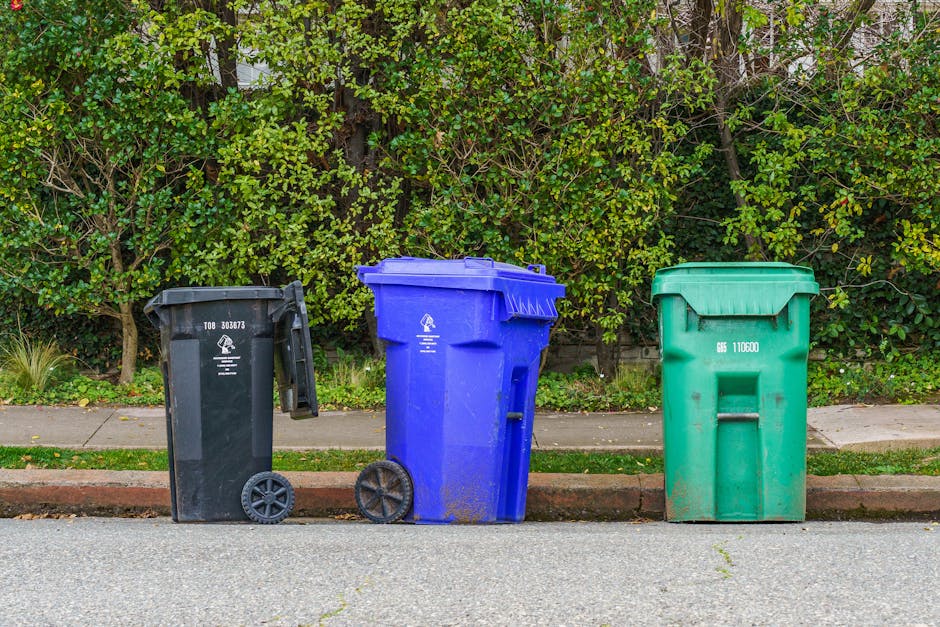
Garden waste is not just "rubbish". In a lot of cases, it is a mix of green waste, woody material, soil, old plant pots, packaging, and sometimes awkward extras like broken fencing or dead turf. Each of those needs a slightly different approach. The practical reason to care is simple: if waste is handled badly, it can become a nuisance very quickly. Damp organic waste smells, attracts pests, and can blow around in windy weather. In a dense part of London, that is the sort of thing neighbours notice fast.
There is also the compliance angle. Garden services are expected to manage waste responsibly, which usually means sorting what can be recycled or composted, using licensed disposal routes where required, and avoiding unsafe dumping. Homeowners benefit too. When the disposal side is planned properly, the job finishes cleaner, quicker, and with fewer surprises on the invoice.
To be fair, most people do not book a garden service because they want a lesson in waste handling. They book because they want the garden usable again. But the back-end process is part of what makes a good service a good service.
Practical takeaway: good garden clearance is not just about cutting and lifting. It is about separating waste correctly, removing it lawfully, and leaving the property tidier than when the work started.
How Waste disposal rules Honor Oak garden services Works
In everyday terms, the process is usually quite straightforward. A team assesses the waste, decides what can stay on site, what can be reused, and what needs to be removed, then arranges the correct disposal route. The exact method depends on the volume and type of waste involved.
Typical waste streams in garden work
- Green waste: grass cuttings, leaves, hedge trimmings, weeds, soft plant material.
- Woody waste: branches, prunings, tree offcuts, stumps in some cases.
- Mixed garden debris: pots, broken supports, damaged netting, old mulch bags.
- Soil and hard material: turf, roots, excess soil, stones, and rubble from landscaping jobs.
- Special items: treated timber, pressure-treated posts, or contaminated material that should not go into normal green waste streams.
The cleaner the separation, the better the outcome. A pile of pure hedge clippings is easier to recycle than a mixed heap containing soil, plastic ties, and old compost sacks. That is just the truth of it.
In a typical Honor Oak garden services job, the team may trim hedges, mow the lawn, clear borders, and remove the resulting waste in one visit. If the job is part of a broader project, such as garden clearance or a full refresh through garden maintenance, the disposal plan should be discussed before work begins. That keeps expectations aligned and avoids the "oh, we did not realise this bit counted as extra" moment. Nobody likes that moment.
What good handling looks like
Good handling means the waste is moved safely, loaded efficiently, and sent to the correct facility or collection route. It also means the service provider is careful about contamination. For example, mixing food waste, household rubbish, or construction debris into green waste can make recycling harder or impossible.
Key Benefits and Practical Advantages
When disposal rules are followed properly, the benefits go beyond simple tidiness. You are getting a cleaner job, a smoother finish, and usually a better long-term result for the garden itself.
- Cleaner outcomes: no lingering piles of cuttings, roots, or debris left behind.
- Reduced risk of complaints: neighbours are less likely to be bothered by smell, mess, or overspill.
- Better recycling potential: organic waste can often be composted or processed rather than discarded as mixed rubbish.
- Safer working conditions: properly organised waste is easier to move without trips, slips, or sharp surprises.
- More accurate pricing: when waste volume and type are clear, quotations are usually easier to understand.
- Less stress for the homeowner: you do not have to work out what goes where after a long day. Which, frankly, is a relief.
There is a quieter advantage too: responsible disposal supports better garden design. If a team is already thinking about reuse, recycling, and the flow of materials, they are more likely to leave you with a plan that suits future upkeep. That matters whether you are having landscape gardening done or simply restoring an overgrown patch to something manageable.
Who This Is For and When It Makes Sense
This topic is relevant to a lot more people than you might expect. If you have a garden in Honor Oak or nearby and you are planning any kind of outdoor work, waste rules are part of the picture.
It makes sense if you are:
- A homeowner booking seasonal tidying after months of growth
- A landlord preparing a property between tenancies
- A tenant with permission to clear and improve the outside space
- A busy family that needs regular upkeep rather than a one-off overhaul
- A homeowner adding features such as decking, paths, or new planting
- Someone dealing with a large hedge, overgrown shrubs, or fallen branches
If your project includes heavier work like tree reduction or stump-related debris, it may involve specialist handling as part of tree lopping and removal. That is not the same as ordinary grass cuttings. Different material, different risk, different disposal route. Simple as that.
It also makes sense when you are comparing services. Some providers include waste removal as standard, while others separate it out. The cheapest quote is not always the cheapest overall if the disposal element is vague. A low headline number can turn into a bit of a trap.
Step-by-Step Guidance
If you want to avoid confusion, work through the job in a sensible order. The more clearly you define the waste beforehand, the easier everything becomes.
- Walk the garden and identify the waste types. Look for green waste, woody branches, soil, broken pots, old timber, and anything that might need separate handling.
- Decide what stays and what goes. Sometimes a pile of prunings can be chipped and reused on site. Sometimes it cannot. Be clear about that from the start.
- Check access. Narrow side passages, steps, or shared access routes can affect how waste is moved. In London gardens, this is often the bit that changes the whole plan.
- Ask how the waste will be removed. Will it be bagged, loaded loose, chipped, or taken in a vehicle? Will the team sort material as they go?
- Confirm what is included in the quote. Labour, loading, transport, recycling fees, and any special disposal costs should be made clear.
- Keep hazardous or non-garden items separate. Do not quietly mix household rubbish, chemicals, or building waste into the pile. It causes problems later.
- Inspect the finish. Once the work is done, check borders, paths, and hidden corners. Small scraps tend to hide under shrubs or against fences.
A little coordination upfront saves a lot of back-and-forth later. And honestly, it is often the difference between a calm tidy-up and a messy half-day of guesswork.
Expert Tips for Better Results
There are a few habits that make garden waste handling easier and more efficient. None of them are flashy, but they work.
Separate as early as you can
If branches, grass, and soil are separated during the job, disposal becomes much more straightforward. It also makes it easier to reuse certain materials. For example, clean woody cuttings may be chipped, while damp turf may need different treatment.
Work with the garden's natural rhythm
In our experience, the best waste management happens when the garden work itself is paced well. If a hedge is cut on a dry morning, the waste is easier to collect and transport. After a wet spell, cuttings can be heavier and messier. Small detail, big effect.
Think about reuse before removal
Sometimes what looks like waste can be reused. Branches may be chipped for mulch. Leaves can be composted. Well-managed green waste can contribute to soil improvement later on. If you are arranging recycling and sustainability as part of the service, ask how the material is processed after collection.
Be realistic about volume
People often underestimate how much waste a "quick tidy" creates. A small hedge can generate several bags of material. A neglected border can produce much more. If you have not had regular upkeep, the volume may surprise you. It happens all the time.
Use the quote conversation well
If you are arranging work through pricing and quotes, ask for clarity on disposal from the start. A clear quote is a better quote, even if it is not the lowest number on the page. Cheap and vague is rarely a bargain.
Common Mistakes to Avoid
Most problems around waste disposal rules are not dramatic. They are ordinary little oversights that snowball. Here are the ones worth avoiding.
- Mixing waste types together: green waste, plastic, soil, and rubble should not be bundled together unless the provider has clearly said it is acceptable.
- Assuming disposal is included: never rely on assumptions. Ask.
- Leaving waste on the pavement or verge: this can create safety and nuisance issues very quickly.
- Ignoring access limits: if the team cannot easily get waste out, the job can take longer and cost more.
- Skipping the final sweep-up: little debris can linger around beds, fences, and paving joints.
- Putting the cheapest quote above all else: if the disposal method is poor, it may cause trouble later.
One of the most common misunderstandings is that "garden waste" always means the same thing. It does not. A bag of grass clippings and a pile of mixed demolition debris are very different animals. Not even close.
Tools, Resources and Recommendations
You do not need specialist equipment to understand the basics, but a few simple tools help you plan better.
| Tool or resource | Why it helps | Best use |
|---|---|---|
| Tarpaulin or heavy-duty sheet | Keeps waste together and easier to move | Collecting clippings, leaves, and light cuttings |
| Reusable garden sacks | Makes sorting and loading more organised | Bagging green waste in manageable loads |
| Rake and broom | Useful for the final clear-up | Paths, patios, and borders after pruning |
| Wheelbarrow | Reduces strain when moving heavier loads | Branches, soil, and mixed debris |
| Service checklist | Stops details getting missed | Quotes, access, disposal, and finish quality |
It also helps to understand the wider service picture. If you are planning a larger refresh, reading through the site's services overview can help you see how waste handling fits with mowing, trimming, clearance, and landscaping work. That broader view is useful, especially if you are comparing what different teams can take on in one visit.
For those who want a more organised, low-stress garden routine, regular lawn mowing and hedge trimming often reduce waste build-up before it gets out of hand. It sounds obvious, but steady upkeep really does make disposal simpler.
Law, Compliance, Standards and Best Practice
Garden waste disposal sits within a wider framework of responsible waste handling. Without turning this into a legal seminar, the key point is that waste should be managed properly, transferred to suitable facilities, and not dumped where it should not be. In the UK, anyone handling waste professionally is expected to follow the relevant duty of care principles and use legitimate disposal routes. If a service provider is licensed, insured, and transparent, that is a good sign. If they are vague, that is not.
For customers, the most practical question is this: can the provider explain what happens to the waste after it leaves your garden? A proper answer usually mentions sorting, transport, recycling where possible, and responsible disposal for the rest. If they cannot explain that in plain English, it is fair to be cautious.
It is also good practice to make sure any service you use has appropriate safeguards. On this site, you can review insurance and safety information, along with the health and safety policy, which are useful indicators of how seriously the work is taken. That does not guarantee perfection, of course, but it does show a structured approach.
For environmentally minded customers, the best practice route is usually to prioritise reuse, recycling, composting, and minimising contamination. Small choices matter here. A clean load of branches is far more useful than a mixed pile of unknown stuff. Simple, but true.
Options, Methods, or Comparison Table
There is more than one way to handle garden waste. The right method depends on the size of the job, the access, and how much sorting you want to do yourself.
| Method | Best for | Pros | Trade-offs |
|---|---|---|---|
| Bag and remove | Small to medium tidy-ups | Simple, tidy, easy to track | Can be slower for very bulky waste |
| Loose loading | Large volumes of branches or cuttings | Efficient for heavy clearances | Needs good access and careful handling |
| On-site composting | Clean green waste | Eco-friendly and useful long term | Not suitable for all waste types |
| Chipping or mulching | Woody pruning and hedge work | Reduces volume and can create mulch | Not ideal for mixed or contaminated waste |
If your garden is part of a larger design project, methods may overlap. For example, a team may chip branches from hedge work, remove the rest, and use some material as mulch later. On a more ambitious job, especially where structure and planting are changing too, landscaping or decking services may introduce extra waste streams that need separate handling. That is normal. It just needs planning.
Case Study or Real-World Example
Picture a fairly ordinary Honor Oak back garden in late spring. The hedge has grown faster than expected, the lawn has gone patchy around the edges, and there are a few years' worth of cuttings tucked behind a shed. Nothing dramatic, just a bit overwhelming. The homeowner wants the space ready for family use again, but does not want a messy patchwork of bags and piles left behind.
The first step is a proper sweep of the site. The team separates the hedge trimmings from the thicker branches, keeps the old plant pots aside, and leaves any reusable soil in a corner for later use. The waste is then loaded in stages so the pathways stay clear. A few awkward branches are cut down on site to make transport easier, which saves space and makes the load safer.
Because the disposal route was planned at the start, the job finishes neatly. The garden looks lighter, the borders are visible again, and there is no guesswork about where the waste went. It is not glamorous work. But the result is the point.
That kind of job also tends to show why regular maintenance matters. If the garden had been tidied every few weeks, the waste would have been smaller and easier to manage. Instead of one large clear-out, there is a bit of everything. Still workable, just more involved.
Practical Checklist
Use this before any garden waste removal or clearance visit. It saves time and helps keep things orderly.
- Have I identified all waste types in the garden?
- Do I know what can be reused, recycled, or removed?
- Is access clear for moving waste out safely?
- Have I checked whether disposal is included in the quote?
- Are soil, rubble, and green waste being kept separate where possible?
- Have I removed or flagged anything that needs special handling?
- Do I understand how the waste will be transported?
- Have I asked about recycling or composting options?
- Will the team leave the site swept and tidy?
- Have I got contact details ready in case anything changes on the day?
Keep it simple. If the list is clear, the job usually is too.
Conclusion
Waste disposal rules Honor Oak garden services are really about one thing: doing the garden work properly from start to finish. The cutting and clearing matter, yes, but so does what happens to the waste afterwards. If you sort the material well, confirm the disposal method, and choose a service that works responsibly, the whole process becomes easier and cleaner.
For homeowners, that means fewer surprises, less mess, and a better final result. For service providers, it means a smoother job and a more professional standard. It is one of those behind-the-scenes details that quietly changes everything.
If you are weighing up your next garden project, take a moment to check the waste plan as carefully as the planting plan. It sounds small, but it saves headaches. And honestly, a tidy finish feels good. You notice it straight away.
Get a free quote today and see how much you can save.
Frequently Asked Questions
What counts as garden waste in Honor Oak garden services?
Garden waste usually includes grass cuttings, hedge trimmings, leaves, weeds, branches, roots, and other organic material from routine garden work. It may also include some mixed debris, but that should be discussed in advance because not everything from the garden belongs in the same disposal stream.
Can garden waste be recycled or composted?
Often, yes. Clean green waste can frequently be composted, mulched, or sent for recycling rather than treated as general rubbish. The key is keeping it uncontaminated. Once plastic, rubble, or household waste gets mixed in, recycling becomes much harder.
Do I need to sort the waste before the garden team arrives?
It helps, but it is not always essential. A clear access route, a rough idea of what is staying and going, and a quick note about any awkward items will usually make the visit smoother. If you have already separated branches from lighter cuttings, even better.
Is waste removal always included in a garden maintenance visit?
Not always. Some services include waste removal in the main price, while others charge separately depending on the volume and type of waste. It is worth asking before the work starts so you know exactly what you are paying for.
What happens if the garden has a lot of heavy material?
If the job involves soil, turf, roots, or timber, the disposal method may need to change. Heavy loads often take more time, more lifting, and sometimes different transport. That is why larger clearances are usually priced differently from lighter pruning jobs.
Are there rules about leaving garden waste on the pavement?
Yes, that can create problems. Waste left on shared paths, pavements, or the road can cause obstruction, mess, and safety issues. It is much better to keep it on private property until it is ready to be removed properly.
How do I know if a garden service is handling waste responsibly?
Ask how they separate waste, where it goes, and whether they use appropriate disposal routes. A responsible provider should be able to explain the process clearly. If the answer is vague or rushed, that is worth noting.
Can old pots, plastic ties, and broken garden items go with green waste?
Usually not in the same load as green waste, unless the provider has specifically agreed to separate and dispose of them. Mixed items can contaminate recycling streams, so they are often handled differently.
What is the best time of year for large garden clearances?
It depends on the garden, but many people tackle larger clear-outs after growth periods, before major planting changes, or when preparing for seasonal upkeep. Dry weather can make waste handling easier, though that is not always something you get to choose. If only.
How does waste disposal affect the cost of garden services?
It can affect the cost quite a bit, especially if the waste is bulky, heavy, awkward to access, or mixed with non-green material. The more clearly the waste is defined upfront, the easier it is to price fairly.
What should I ask before booking garden waste removal?
Ask what waste types are included, how the load will be removed, whether recycling is part of the process, and if there are any extra charges for heavy or mixed material. Those questions save confusion later on.
Can regular maintenance reduce waste disposal problems?
Absolutely. Smaller, more frequent jobs produce less waste at a time, which makes sorting, moving, and recycling much easier. Regular upkeep through garden maintenance is often the simplest way to avoid a giant clearance day later.
Where can I learn more about responsible garden services on this site?
You can explore the wider service pages, including recycling and sustainability, health and safety policy, and the full blog for related guidance. It is a useful way to see how waste handling fits into the bigger picture of good garden care.