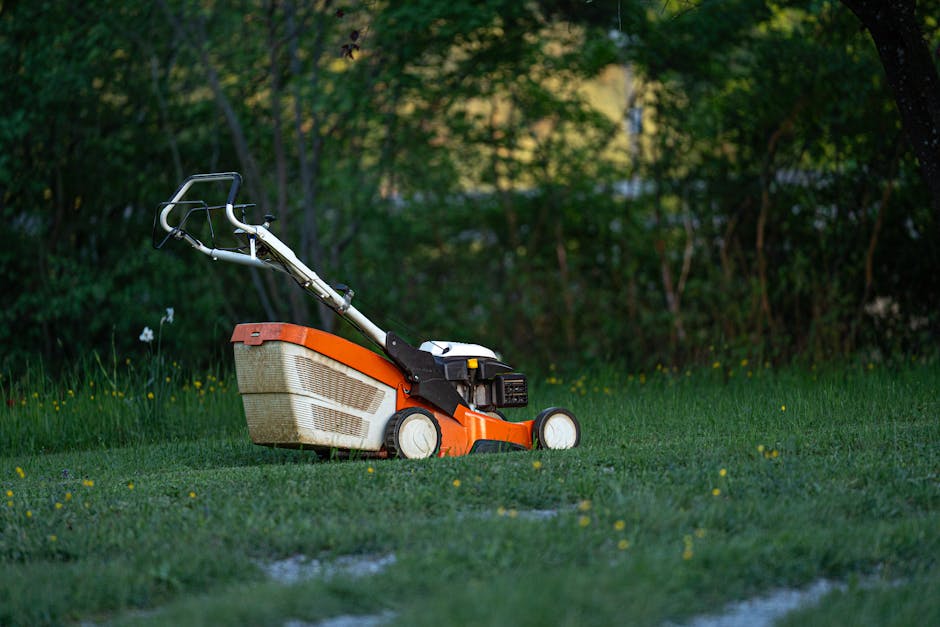
Access problems for Honor Oak garden maintenance small yards
If you live in Honor Oak and your garden is small, awkwardly tucked away, or only reachable through a narrow side passage, you already know the real headache: the work itself is only half the job. The rest is access. Access problems for Honor Oak garden maintenance small yards can turn a simple tidy-up into a careful bit of planning, especially when tools, waste bags, ladders, and lawn equipment all need to get through a tight space without damaging fences, paving, or planted borders.
That does not mean a small yard is difficult to maintain. Far from it. It just needs the right approach. In this guide, we will look at why access matters, how professionals work around it, what usually goes wrong, and how to make maintenance smoother, safer, and less stressful. A bit of forethought goes a long way here. Honestly, more than most people expect.
Table of Contents
- Why access problems matter
- How access issues are handled
- Key benefits and practical advantages
- Who this is for and when it makes sense
- Step-by-step guidance
- Expert tips for better results
- Common mistakes to avoid
- Tools, resources and recommendations
- Law, compliance, standards and best practice
- Options, methods and comparison
- Case study or real-world example
- Practical checklist
- Conclusion
- Frequently asked questions
Why Access problems for Honor Oak garden maintenance small yards Matters
In a compact Honor Oak garden, access affects nearly every part of the job. If the garden can only be reached through the house, down a narrow alley, or past a shared gate, then even routine tasks like mowing, hedge trimming, or clearing leaves take longer and require more care. That extra friction matters because it changes how the work is planned, how waste is removed, and how much disruption you feel while the job is being done.
Small yards are often attached to terraced homes, converted flats, or older properties where the layout simply was not designed with easy garden access in mind. You may have a lovely little outdoor space, but getting there with a mower or a pile of cuttings can feel like threading a needle. In our experience, the challenge is rarely the planting or the pruning. It is the route in and out.
Access also matters for safety. Tight corners, uneven paving, low walls, and awkward gates can make carrying tools or moving waste more risky. A careless move can chip masonry, scuff paintwork, or knock over pots. And when a garden is small, there is less room to put things down while you sort out the next step. That is where careful preparation earns its keep.
If you are comparing service options, it helps to understand how an established provider approaches these limitations. You can look through the services overview to see the range of work that can be adapted for compact outdoor spaces, or read more about the team behind the work on the about us page. Those pages can help set expectations before anyone arrives with a trolley full of kit.
How Access problems for Honor Oak garden maintenance small yards Works
Once access is an issue, the maintenance job usually shifts from being purely task-based to being logistics-based. First comes the route. Then comes the equipment. Then comes waste handling. Simple jobs can still be completed neatly, but the order matters more than usual.
Most professionals will start by checking four things: the entrance width, the route from street to garden, the type of surface underfoot, and where waste can be staged temporarily. If the route includes a narrow hallway, for example, tools may need to be carried in smaller loads. If the garden is reachable only through a side passage, then hand tools may be more practical than a bulky machine. Little decisions like that save a lot of hassle later.
For regular upkeep, small yards often work best with a maintenance plan rather than a one-off approach. That is especially true if the space has fast-growing shrubs, ivy, or a lawn edge that goes scruffy quickly. A routine visit keeps the work lighter each time. If you need the basics covered consistently, the garden maintenance service is the most direct place to start.
Where access makes mowing difficult, compact or lightweight machines may be used instead of larger kit. If the lawn is tiny, sometimes a conventional mower is not even the best tool for the job. A neat finish can still be achieved, just with a different method. The same goes for hedges and shrubs. If branches are tight against fences or the garden has limited standing room, a more controlled trim is usually better than forcing a big-cut approach. For that side of the work, hedge trimming is often the right fit.
Waste removal is the other half of the process. In small yards, cuttings and clippings can pile up quickly and make the space feel even smaller. Sometimes a garden clearance visit is needed before maintenance can happen properly, particularly if access has made routine upkeep inconsistent. In that case, garden clearance can reset the space and make future visits much easier.
Key Benefits and Practical Advantages
Dealing with access problems properly is not just about getting the job done. It changes the quality of the result. A garden that is maintained with the access route in mind tends to look tidier, feel calmer, and stay manageable for longer.
- Less disruption indoors: careful planning means fewer muddy footprints, fewer repeated trips through the house, and less disturbance to your daily routine.
- Better protection for your property: narrow routes and fragile surfaces are handled more cautiously, which lowers the risk of scuffs, chips, and accidental damage.
- Cleaner results: waste is removed in a controlled way rather than dumped in the nearest corner because there is no easy exit.
- More efficient maintenance: once the access route is understood, future visits become smoother and quicker.
- Less stress for the homeowner: you are not trying to solve the layout problem on the day. That alone is a relief.
There is also a subtle benefit people sometimes overlook: a good access plan makes the yard feel more usable. Once the clutter of awkward movement is removed, the space itself starts to feel bigger. Strange but true. A well-managed small garden often feels twice as calm as a neglected one of the same size.
For homeowners who also want a broader improvement, small-yard access planning can be combined with layout changes or surface upgrades. If you are thinking beyond basic maintenance, the landscaping and landscape gardening pages are useful starting points for understanding more structural or design-led options.
Who This Is For and When It Makes Sense
This topic matters if any of the following sound familiar:
- your yard is only reachable through a narrow side passage or rear alley
- you live in a terraced property with limited outdoor access
- the garden entrance is too tight for standard equipment
- waste needs to be carried through the home
- there is a shared access route with neighbours
- the garden has delicate paving, steps, or raised beds that limit movement
It also makes sense if you have tried to maintain the space yourself but keep putting it off because the setup feels awkward. Truth be told, many small gardens are not hard to care for once they are organised properly. They are just annoying until someone figures out the flow.
People often call for help after one of three moments: the space has become overgrown, they need a one-off tidy before an event or property visit, or they realise that routine maintenance is becoming physically awkward. If the access route is already making the job stressful, there is no prize for struggling through it the hard way.
If trees, bulky shrubs, or obstructive growth are part of the access issue, then tree work may also be relevant. In that case, tree lopping and removal may be useful where growth is encroaching on entrances or making the route harder to use.
Step-by-Step Guidance
Here is the practical way to tackle access problems in a small Honor Oak yard, without overcomplicating it.
- Map the access route. Measure gates, side passages, hallway turns, and any awkward corners. Do not guess. A few centimetres can make a big difference.
- Identify the weak points. Look for low-hanging branches, loose paving, slippery steps, blocked gates, or tight turns where carrying tools becomes awkward.
- Decide what needs to happen first. A clearance visit may be needed before normal maintenance, especially if the garden has been left for a while.
- Choose compact methods and tools. Smaller hand tools, manageable waste bags, and lightweight machines are often better in tight spaces.
- Protect the route. Use care on floors, thresholds, painted walls, and soft landscaping. Sometimes a simple mat or sheet can prevent annoying marks.
- Work in stages. Cut, collect, clear, and then tidy. Do not try to do everything at once if the access route is awkward.
- Remove waste efficiently. Bag waste in smaller loads if needed, and avoid overfilling containers you have to drag through the house.
- Review the result. Check whether the access route itself has become cleaner and easier to manage. If not, there may be a better long-term fix.
That last step matters more than people think. Sometimes the garden is not the only thing needing attention. The route in can be improved too, even modestly, and those small changes pay off every single visit.
Expert Tips for Better Results
A few small habits make a genuinely noticeable difference in tight-access gardens.
Keep one access kit ready. If the garden is always awkward to reach, it helps to have a standard set of tools and bags sized for the space. That avoids repeated fiddling on the day.
Trim for access, not just appearance. Some shrubs look fine until they start narrowing the path. A slightly earlier trim can keep the route open and reduce the need for heavy intervention later.
Think in reverse. Plan how waste will leave the garden before you decide how to cut it. That sounds obvious, but it is often missed.
Do the messy work first. If there is overgrowth blocking the entrance, deal with that before fine detailing. Otherwise you end up undoing your own tidy-up.
Use seasonal timing wisely. In late spring and early summer, growth can surprise you. In autumn, leaves pile up quietly and then suddenly seem everywhere. The garden itself is not being dramatic; it is just doing garden things.
And one more thing: if you know the access route is tight, say so up front. Clear information saves time and helps avoid those awkward moments where everyone stands at the gate trying to work out whether the mower is going to fit. Nobody enjoys that little silence.
Common Mistakes to Avoid
Small yards do not forgive poor planning. These are the mistakes that cause the most frustration.
- Assuming standard tools will fit. Bigger is not better in a tight space. It is often just bigger.
- Leaving access details until the day of the job. That can lead to delays, repeated trips, or avoidable damage.
- Overfilling waste bags. Heavy bags are difficult to manoeuvre through narrow routes and much more likely to split.
- Ignoring indoor protection. If the garden is only reachable through the property, floors and thresholds need care.
- Trying to do a full tidy before clearing blockages. If access is restricted by overgrowth, you are making the job harder than it needs to be.
- Forgetting neighbours or shared access points. In close-set homes, a small misunderstanding can become a real nuisance.
One of the most common issues is simply optimism. "It'll be fine" is a lovely phrase until a mower gets stuck sideways in a side passage. Not ideal. Better to measure and plan, then work once.
Tools, Resources and Recommendations
For access-restricted small yards, the right tools are usually modest rather than flashy. That is the honest answer. You want equipment that can be carried easily, turned in tight spaces, and used without making the whole job feel like a gym session.
| Approach | Best for | Pros | Limitations |
|---|---|---|---|
| Hand tools | Very small spaces and delicate work | Precise, lightweight, easy to carry | Slower for larger clearances |
| Compact machines | Small lawns and narrow routes | Efficient without being bulky | Still need enough doorway or path width |
| Staged waste removal | Gardens with poor exit routes | Reduces congestion and strain | Takes a bit more organisation |
| Clearance-first approach | Overgrown or blocked access | Makes future maintenance easier | May be needed before regular upkeep can resume |
It is also worth checking whether you need a more general upkeep plan or a one-off reset. For many homeowners, a tidy, repeatable maintenance routine is better than waiting until the space becomes a problem. If you want a sense of what routine care may involve, the lawn mowing service and garden maintenance page are useful reference points.
For homeowners who want better long-term presentation, you may also find value in features that simplify movement and reduce clutter. A practical review of surfaces, edges, and layout can be just as helpful as plant care. If that sounds like your situation, have a look at decking services as one possible way to improve usable space and make access feel less awkward.
Law, Compliance, Standards and Best Practice
For most small garden maintenance jobs, the main compliance considerations are straightforward: safe working practices, respect for property, and sensible handling of waste. That said, in tight-access homes, a few extra points matter.
If the route passes through a shared area, care should be taken to avoid obstruction and unnecessary mess. If the job involves carrying tools through a home or communal space, the property should be protected as far as reasonably possible. If the garden has uneven steps or slippery surfaces, that should be taken seriously. Common sense goes a long way, and in domestic settings it is often the difference between a smooth visit and a stressful one.
Professional gardeners and landscapers typically work with a health and safety mindset that prioritises hazard awareness, manual handling, tool control, and clear communication. If you want to understand how a provider thinks about risk and safe practice, the health and safety policy and insurance and safety information are sensible pages to review.
Recycling and responsible disposal are also part of good practice. Green waste should be managed properly, and reusable materials should be treated sensibly rather than thrown around in a hurry. That is where a commitment to recycling and sustainability becomes more than a nice phrase. In a small yard, tidy waste handling is part of the access solution.
You may also want to check service terms and payment arrangements if the job is likely to involve extra visits or more complex access. The relevant pages for that are terms and conditions, payment and security, and pricing and quotes.
Options, Methods and Comparison
Not every access problem should be handled the same way. Here is a simple comparison to help you think through the options.
| Method | When it works best | Good to know |
|---|---|---|
| Regular maintenance visits | The garden is accessible, but awkward | Best for keeping growth under control before access becomes harder |
| One-off clearance then maintenance | The yard is overgrown or blocked | Useful when you need a reset before routine upkeep |
| Light-touch hand-maintenance | Extremely small or fragile spaces | Slower, but often the safest and neatest option |
| Layout improvement or landscaping | Access issues are structural, not just seasonal | May take more planning, but improves long-term usability |
As a rule of thumb, if you keep saying "this would be easy if only we could get to it properly," then the answer is probably not more force. It is better access design, better timing, or both.
Sometimes the right method is simply the one that causes the least disturbance. In a dense residential setting, quiet, tidy work often beats the loudest or largest approach. That is especially true in Honor Oak, where properties can sit close together and space is precious.
Case Study or Real-World Example
Consider a typical small rear yard behind a terraced home. The garden itself is not large, but the access runs through a narrow side corridor and a kitchen door threshold. The lawn is patchy, the hedge has begun spilling into the walkway, and leaf litter has collected behind a storage unit. Nothing dramatic. Just enough to become annoying every time you look out at it.
In a situation like that, a sensible approach would usually be:
- clear the route first so tools can move safely
- trim back the hedge where it narrows the passage
- remove loose debris and bag waste in manageable loads
- deal with the lawn and borders using compact tools
- finish with a tidy sweep so the route stays usable
What changes the result is not some magic technique. It is the sequence. Once the access line is opened up, the rest of the garden becomes easier to work in. And once the garden is easier to work in, keeping it neat stops feeling like a half-day ordeal.
That is the part many homeowners notice most. Not just the improved look, but the fact that the space is no longer a chore to reach. A small win, yes, but a very real one.
Practical Checklist
Use this checklist before arranging maintenance for a small Honor Oak yard with difficult access:
- measure the gate, side passage, and any tight corners
- check whether waste can be removed without crossing delicate surfaces
- identify any steps, slopes, or uneven slabs
- note whether the garden is overgrown at the entrance
- decide if clearance is needed before routine maintenance
- protect indoor floors if tools or waste must pass through the house
- confirm whether there are shared routes or neighbour considerations
- ask what equipment will be used and whether it suits the access route
- prepare a clear description or photo of the layout if requested
- agree on timing so the visit is not rushed
Key takeaway: the best access plan is usually the simplest one that protects your property, keeps the work efficient, and makes repeat visits easier. That is the sweet spot.
Conclusion
Access problems in small gardens are common in Honor Oak, but they are far from impossible. With a bit of planning, the right tools, and a practical understanding of how tight spaces behave, even a tricky yard can be maintained neatly and without fuss. The real goal is not just to make the garden look better for one afternoon. It is to make it easier to keep that way.
Whether you need a one-off tidy, a clearance-first approach, or a regular maintenance plan, the smartest move is to treat access as part of the job, not an afterthought. Once you do that, everything gets easier. Cleaner, too.
If you are weighing up your next step, it may help to review the service details and speak with a team that understands compact outdoor spaces. You can start with the contact us page when you are ready to discuss your yard, your access route, and what would make the work simplest on your side.
Get a free quote today and see how much you can save.
Frequently Asked Questions
What counts as an access problem in a small garden?
Anything that makes it difficult to bring tools in, work safely, or remove waste can count as an access problem. Narrow gates, tight side passages, shared entrances, and awkward steps are all common examples.
Can a very small Honor Oak yard still be maintained properly?
Yes. Small yards often do very well with the right method. In fact, they can look excellent when maintenance is planned around the layout instead of forcing standard-sized equipment into a tight space.
Do access problems always mean the garden needs clearing first?
Not always. If the garden is only slightly awkward, regular maintenance may be enough. If the entrance is blocked by growth or debris, then clearance first is usually the better call.
How do professionals deal with narrow garden entrances?
They normally use smaller tools, split the work into stages, and remove waste in manageable loads. The aim is to keep movement controlled and avoid damage to surfaces or fittings.
Is it more expensive if access is difficult?
It can be, depending on the layout and the amount of extra time involved. The most honest answer is that access affects labour and logistics, so it may influence the quote. That is why clear photos or a brief description help.
What should I tell a gardener before they visit a small yard?
Tell them how the garden is reached, whether there are narrow sections, if waste must pass through the house, and whether anything is currently blocking the route. Small details save a lot of guesswork.
Can hedge trimming help with access issues?
Yes. If a hedge or shrub is encroaching on a path or gate, trimming it back can make the whole garden easier to use. It can also reduce the risk of snagging clothing, bags, or equipment.
What if my garden is behind the house with no side access?
That is common in older London properties. The job can still be done, but the plan needs to account for moving equipment and waste through the property carefully.
Are there safety concerns with carrying garden waste through a home?
Yes, mainly around slips, dirt, scuffs, and strain from heavy loads. Good planning helps reduce those risks. Smaller bags and clearer routes make a big difference.
Should I choose garden maintenance or landscaping for a tight yard?
If the space mainly needs upkeep, maintenance is usually the right choice. If the layout itself is causing the access problem, landscaping or layout improvements may be more appropriate.
How often should a small yard with awkward access be maintained?
That depends on growth and use, but regular visits often work better than waiting too long. Small spaces can feel cluttered quickly, so consistency helps keep the job lighter and less stressful.
Where can I learn more about the company's standards and policies?
You can review the health and safety policy, insurance and safety, and accessibility statement pages for a clearer picture of how work is approached.
What is the simplest next step if I am not sure what my garden needs?
Start by describing the access route and the main issue, then ask for advice on whether maintenance, clearance, or a broader solution makes most sense. A short conversation can save a lot of back-and-forth later.
Small gardens can be awkward, yes. But they can also be lovely, manageable spaces with just a bit of care and the right plan. That part never gets old.